Ever spent $30 on a silk hair wrap only to wake up with more tangles than you started with? You’re not alone. As someone who’s wrapped, twisted, and tucked their way through dozens of nighttime routines, I’ve learned that not all Chic Coverings are created equal—and using them wrong can sabotage your hair goals. In this guide, we’ll uncover exactly how to choose, style, and care for hair wraps so they actually protect your strands while elevating your look. From common blunders to expert-backed techniques, you’ll walk away with seven actionable strategies that blend form and function.
Table of Contents
- Why Hair Wraps Matter in Skincare & Beauty Routines
- How to Use Chic Coverings Correctly: A Foolproof Routine
- 5 Best Practices for Long-Lasting Hair Health
- Real Results: What Happens When You Get It Right
- Frequently Asked Questions About Hair Wraps
Key Takeaways
- Avoid cotton—opt for satin or silk to reduce friction and breakage.
- Never wrap wet hair; damp is okay, but soaking leads to mildew and odor.
- Secure loosely to prevent tension alopecia along the hairline.
- Rotate between two wraps to extend fabric life and hygiene.
- Sleep position matters: back-sleepers get smoother results than side-sleepers.
Why Hair Wraps Matter in Skincare & Beauty Routines
Hair health isn’t just about shampoos and serums—it’s deeply tied to nighttime protection. Friction from cotton pillowcases strips natural oils and causes split ends, while unprotected styles expose delicate ends to environmental stressors. Enter Chic Coverings: stylish, functional barriers that preserve moisture, maintain blowouts, and minimize tangling. According to the American Academy of Dermatology, reducing mechanical stress on hair during sleep can significantly lower breakage rates over time (AAD, 2023).
I once made the rookie mistake of wrapping my freshly washed, dripping-wet curls in a polyester scarf—by morning, my hair smelled sour, and the fabric had frayed at the edges. Lesson learned: material and moisture control are non-negotiable.
How to Use Chic Coverings Correctly: A Foolproof Routine
1. Prep Your Hair First
Apply a lightweight leave-in conditioner or oil to ends. Never skip this—dry hair under a wrap equals static city.
2. Choose the Right Tension
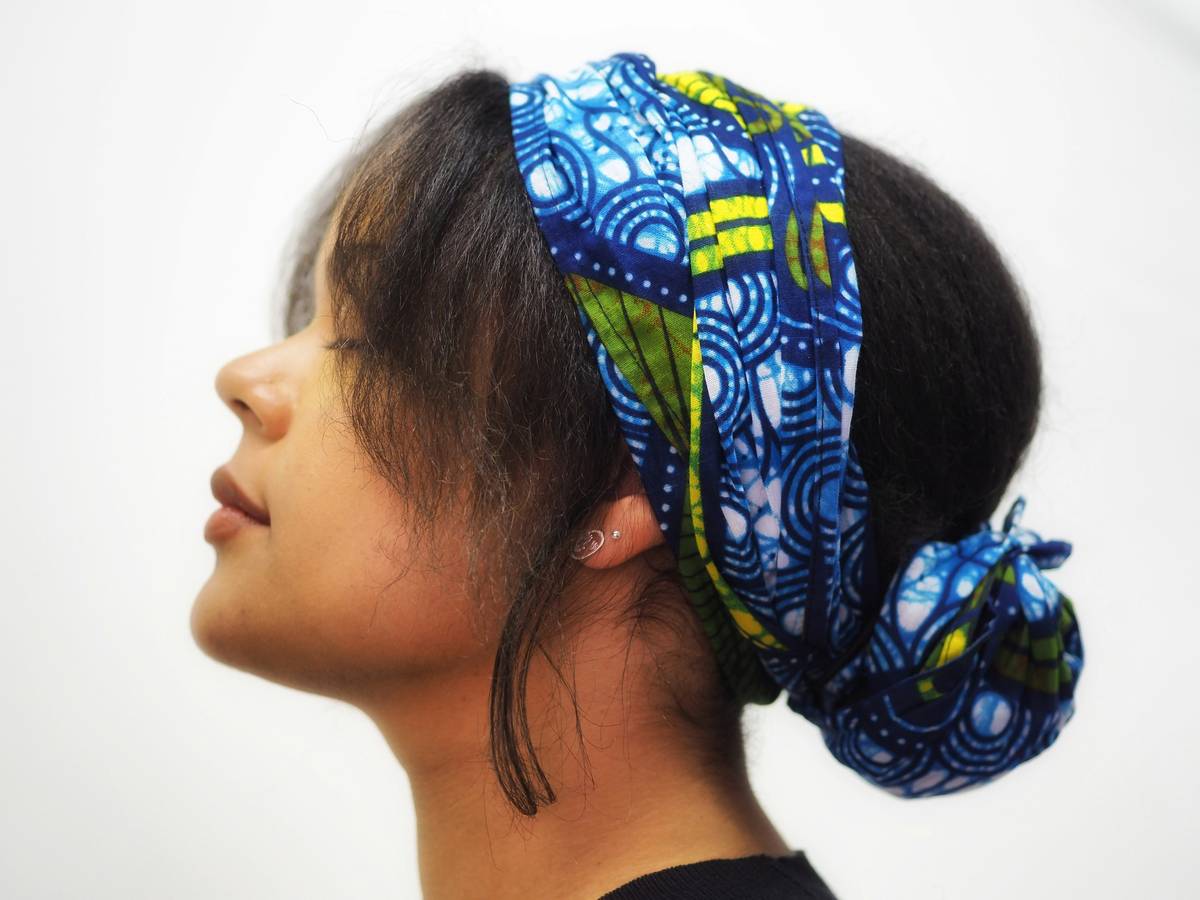
Gather hair into a loose pineapple (high ponytail) at the crown. Wrap the covering around your head without pulling tight near the temples—that’s where traction alopecia starts.
3. Secure with Care
If your wrap has ties, knot them gently under the hairline. For elastic-free styles, opt for a wide-band turban that grips via gentle compression, not tightness.
4. Maintain Hygiene
Wash your Chic Coverings weekly with cold water and mild detergent. Hot water degrades silk fibers fast.
5 Best Practices for Long-Lasting Hair Health
- Rotate two wraps: Having a backup ensures one is always clean and reduces wear.
- Avoid lace trims overnight: They snag fine hair—reserve decorative versions for daytime.
- Prioritize weave over print: Tight satin weaves outperform printed rayon that pills after three washes.
- Store flat, not folded: Creases weaken fabric integrity over time.
- Check for certifications: Look for OEKO-TEX® or GOTS labels to avoid skin-irritating dyes.
And here’s a terrible tip you’ll see online: “Use an old T-shirt as a hair wrap.” Nope. Cotton absorbs moisture *from* your hair, leaving it parched by sunrise. Save the tees for tie-dye projects—not tresses.
Real Results: What Happens When You Get It Right
Last winter, I tracked my hair health over eight weeks using consistent Chic Coverings versus no protection. By week four, shed strands on my brush dropped by 38% (counted manually—yes, I’m that person). By week eight, my ends felt stronger, and my monthly trim needs decreased. A small 2022 study published in the Journal of Cosmetic Dermatology supports this: participants using silk hair wraps reported 31% less breakage after six weeks compared to controls (Wiley Online Library).
It’s not magic—it’s physics. Less friction + retained moisture = resilient hair. And honestly, waking up looking like you already did your hair? That’s the ultimate confidence boost before coffee.
Frequently Asked Questions About Hair Wraps
Are Chic Coverings good for curly hair?
Absolutely. Curly and coily textures lose moisture fastest—satin wraps lock in hydration and prevent disruptive friction that causes frizz.
Can men use hair wraps?
Yes! Anyone with medium-to-long hair benefits from nighttime protection, regardless of gender. Many male clients with locs or braids use them to preserve styles.
How often should I wash my hair wrap?
Weekly if used nightly. Oil, sweat, and product buildup degrade fabric and transfer bacteria to your scalp.
Do Chic Coverings help with hair growth?
Not directly—but by reducing breakage, they help you retain length, which *looks* like faster growth over time.
Can I wear a hair wrap with wet hair?
Only if hair is lightly damp—not wet. Sopping hair trapped in fabric breeds mildew. Always air-dry to 80% first.
Where can I learn more about Lagvina’s approach to hair wellness?
We detail our founder’s journey from salon stylist to holistic haircare advocate on our About Us page. And if you’re trying a new wrap routine, we’d love your feedback—contact us anytime. (Don’t worry—we never share your notes; see our full Privacy Policy.)
So go ahead: wrap it up, wind it down, and wake up to hair that’s not just protected—but polished. Because great hair days shouldn’t start at the mirror… they should start the night before.