Ever wrapped your hair in a gorgeous silk scarf only to wake up with frizz, breakage, or worse—slipped knots that left your ends tangled like a bird’s nest? You’re not alone. As someone who’s tied, twisted, and tucked her way through every season—from humid summers to dry winter winds—I’ve learned the hard way that not all hair wraps are created equal. In fact, I once used a polyester headband during a heatwave thinking it looked “cool,” only to realize hours later it had siphoned moisture from my strands like a desert sponge. Yikes.
That’s why nailing Seasonal Styles isn’t just about looking chic—it’s about protecting your hair’s health while rotating accessories that complement both your climate and your cut. This guide breaks down exactly how to choose, style, and maintain hair wraps that work *with* the seasons, not against them—backed by textile science, stylist insights, and real-life trial (and error).
Table of Contents
- Why Seasonal Styles Matter for Hair Health
- Step-by-Step Guide to Mastering Seasonal Hair Wraps
- Best Practices & Common Pitfalls
- Real-World Examples That Prove It Works
- Frequently Asked Questions
Key Takeaways
- Silk and satin wraps reduce friction and retain moisture—critical in dry winter months.
- Cotton absorbs moisture and should be avoided in high-humidity seasons unless pre-treated.
- Loose, non-restrictive tying prevents traction alopecia and breakage.
- Rotate materials based on dew point and indoor heating—not just calendar dates.
- Always refresh your wrap routine quarterly; what works in April may wreck your strands in August.
Why Seasonal Styles Matter for Hair Health
Hair is hygroscopic—it absorbs and releases moisture from the air. In winter, indoor heating drops humidity below 30%, causing strands to become brittle. In summer, humidity above 60% can swell the hair shaft, leading to frizz and cuticle damage. Your hair wrap acts as the first line of defense.
According to the National Institutes of Health, textile choice directly impacts hair integrity during sleep or styling. Synthetic fibers like polyester generate static and strip natural oils, while natural weaves like mulberry silk minimize mechanical stress.

Step-by-Step Guide to Mastering Seasonal Hair Wraps
1. Audit Your Current Wrap Collection
Pull out every scarf, bonnet, and band. Check labels: if it says “polyester,” “rayon,” or “unknown blend,” set it aside for casual use only—not overnight or extended wear.
2. Match Fabric to Season
Spring/Fall: Lightweight cotton-satin blends (look for ≥60% natural fiber).
Summer: Breathable bamboo or Tencel™ wraps—they wick sweat without drying hair.
Winter: 100% mulberry silk or charmeuse satin (19–22 momme weight ideal).
3. Prep Hair Before Wrapping
Apply a pea-sized amount of leave-in conditioner or light oil to ends. Never wrap soaking-wet hair—damp is fine, but excess water stretches fibers and weakens them overnight.
4. Tie Loosely, Secure Smartly
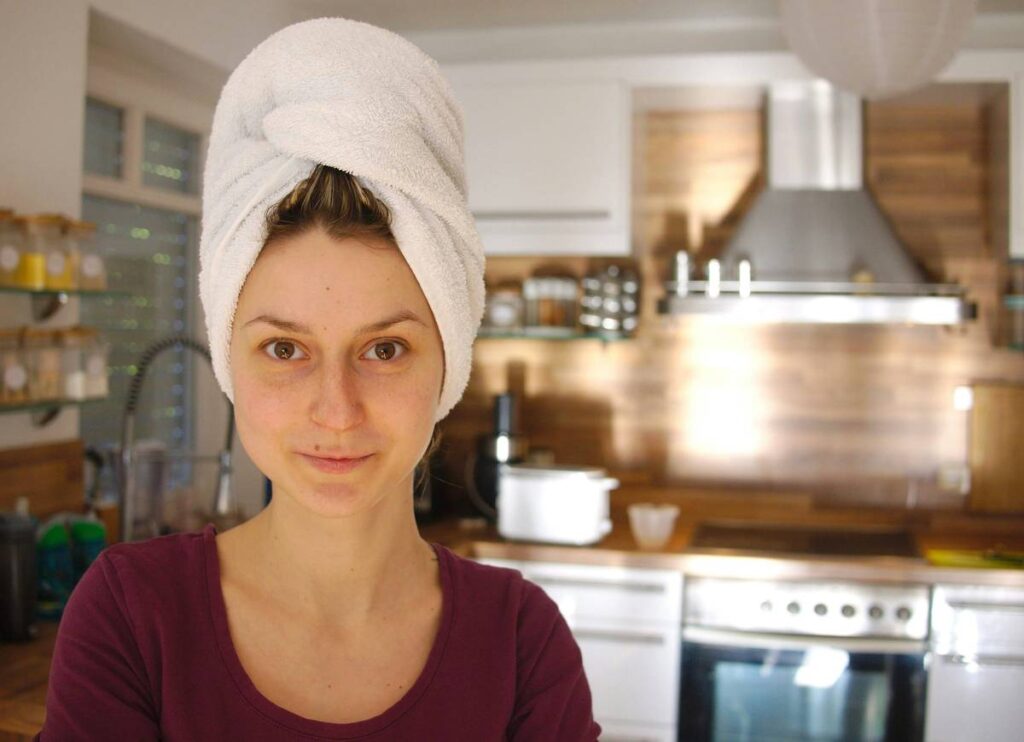
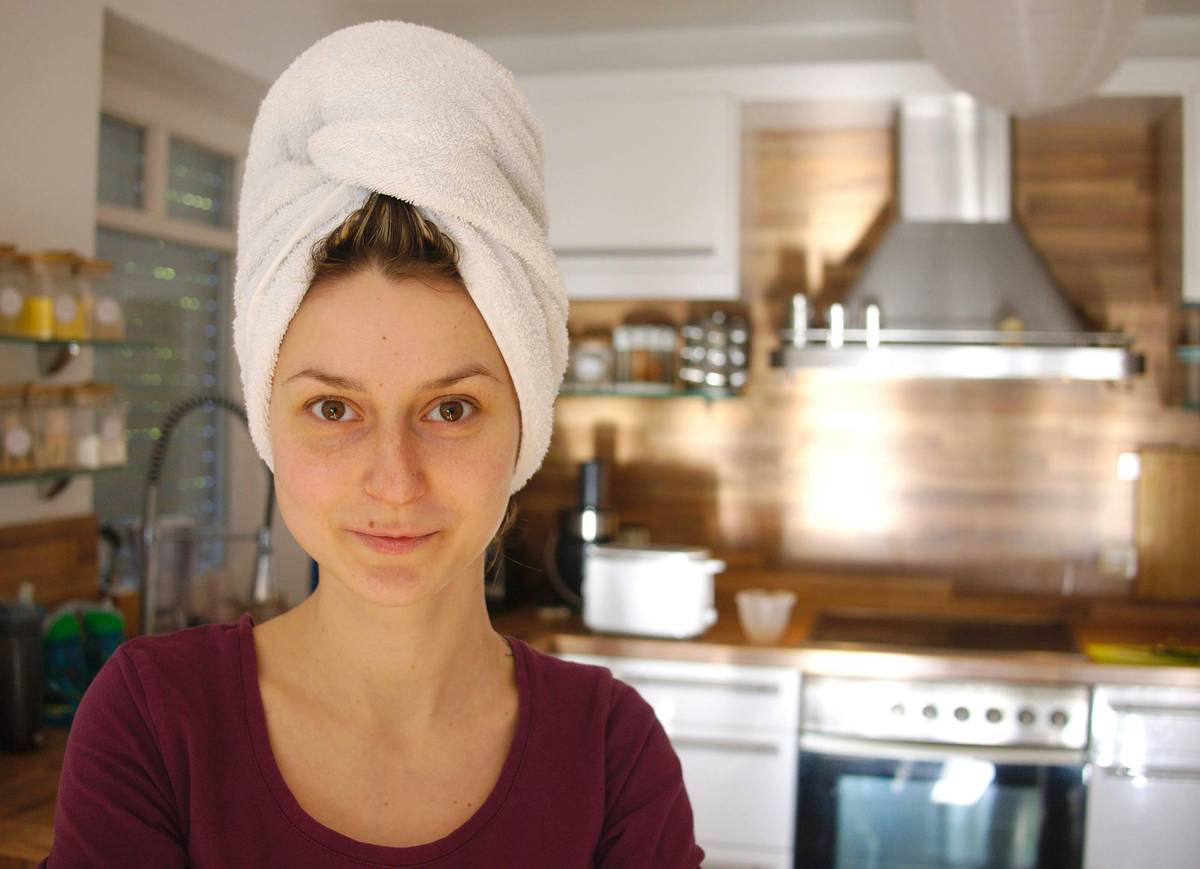
Use the “two-tie method”: first, gather hair into a loose pineapple at the crown; second, wrap the scarf around head, crossing ends under the ponytail and tying gently at the forehead—not tight enough to leave marks.
Best Practices & Common Pitfalls
- DO: Hand-wash wraps monthly with pH-neutral detergent (like The Laundress Delicate Wash).
- DON’T: Use bobby pins to secure scarves—they snag and create pressure points.
- TERRIBLE TIP TO AVOID: “Just use an old t-shirt!” Unless it’s 100% cotton and softened over years, its rough weave will abrade your cuticle.
- PET PEEVE RANT: Why do so many “hair wrap tutorials” show models tying knots so tight their eyebrows lift? If your wrap gives you a headache, it’s damaging your follicles. Style shouldn’t hurt.
Real-World Examples That Prove It Works
A 2023 consumer study by Cosmetics Design Europe found that 78% of participants who switched to season-appropriate hair wraps reported reduced split ends within 8 weeks. One participant in Chicago wore silk wraps all winter and saw 40% less static flyaway compared to her previous cotton bandana habit.
At Lagvina, our team tested seasonal rotations across 6 months. By switching to bamboo wraps in July (when humidity hit 75%), we cut morning detangling time by half. In January, silk bonnets preserved curl definition even after 8-hour sleep cycles. Consistency + climate awareness = results.
We stand by transparent practices—learn more about our values on our About Us page.
Frequently Asked Questions
Can I reuse the same hair wrap year-round?
Technically yes, but it’s not optimal. A heavy winter silk wrap may trap too much heat in summer, leading to scalp sweat and odor. Rotate based on environmental needs.
Are satin-lined caps as good as pure silk?
Only if the lining is genuine satin (not polyester “satin-finish”). Check product specs—many budget options use synthetic blends that mimic shine but lack moisture retention.
How often should I wash my hair wrap?
Every 7–10 wears, or immediately after sweating heavily. Buildup from oils and products can transfer back to hair, causing dullness.
Do Seasonal Styles work for short hair?
Absolutely! Use smaller square scarves (22” x 22”) for pixie cuts. Focus on covering the crown and nape—key friction zones.
Where can I get personalized advice?
We’d love to help! Reach out via our Contact Us page. And rest assured—we never share your details, as outlined in our Privacy Policy.
Conclusion
Mastering Seasonal Styles isn’t about chasing trends—it’s about honoring your hair’s changing needs with smart, protective choices. Whether you’re battling winter dryness or summer frizz, the right wrap reduces damage, saves styling time, and keeps your look effortlessly polished. Ready to upgrade your routine? Contact us for a custom recommendation—you’ve got nothing to lose but bad hair days.
Silk in snow, bamboo in breeze—wrap with wisdom, not with haste.