
Breakage. Frizz. Dry ends that snap before they even reach your shoulders. If you’re constantly battling damage from daily manipulation or harsh styling, you’re not alone—and you’re likely overlooking one of the simplest, most effective solutions in protective styling: protective hair wraps. They’re not just cute accessories. They’re strategic armor for your strands.
Why Most Protective Styles Fall Short
Box braids? Twists? Wigs? All valid—but each comes with hidden costs. Tight installs tug at the roots. Synthetic fibers cause friction. Long-term wear leads to buildup and scalp suffocation. And let’s be honest: many so-called “protective” styles aren’t really protecting anything if you’re spending hours redoing them every two weeks.
Here’s the reality: true protection means minimizing tension, reducing exposure to environmental stressors, and locking in moisture—without sacrificing style. Most methods miss at least one of those marks. Protective hair wraps, when done right, hit all three.
How to Master Protective Hair Wraps (Step-by-Step)
Forget slapping a scarf on before bed. Real technique separates frizz-fighters from breakage victims. Follow this method—it’s what salon pros whisper about but rarely post online.
Prep Your Base Like a Pro
Start with clean, moisturized hair. Not sopping wet—just damp. Apply a lightweight leave-in with slip (think flaxseed gel or aloe-based cream), then seal with a pea-sized amount of oil. Skip heavy butters; they’ll weigh hair down under the wrap.
Choose the Right Fabric—Not All Scarves Are Equal
Silk? Satin? Polyester blend? The fabric makes or breaks your results. Natural silk breathes but frays. High-quality satin mimics silk’s smoothness at a fraction of the cost and lasts longer. Avoid cotton—it’s a moisture thief disguised as comfort.
The Wrap Technique That Actually Stays Put
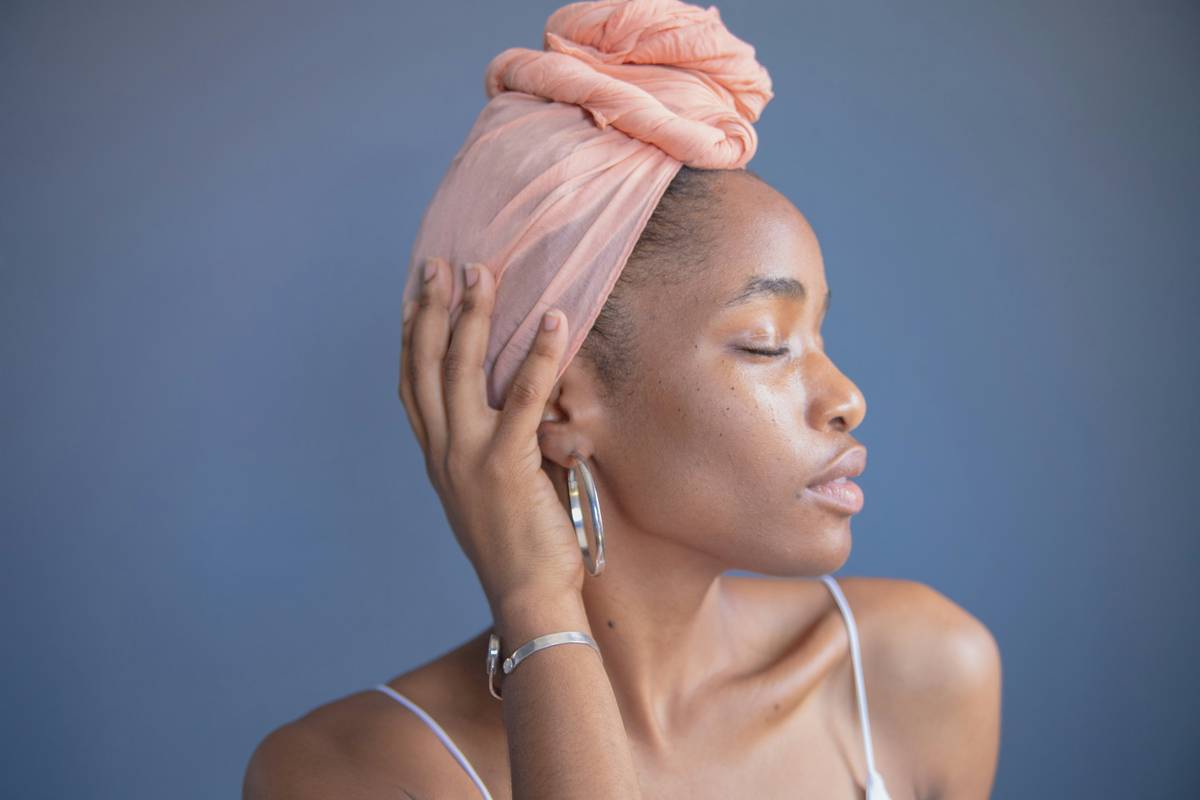
Flip hair forward. Gather into a loose pineapple at the crown—no elastic! Drape your scarf over the crown, cross ends under the nape, then tie securely at the forehead. Not too tight. Not too loose. Just enough to hold shape without pressure points. Sleep on it. Wake up with definition intact.
| Method | Fabric Type | Maintenance Effort | Lifespan (Per Install) | Cost Range |
|---|---|---|---|---|
| Traditional Box Braids | Synthetic Hair | High (daily oiling, washing scalp) | 4–6 weeks | $80–$200+ |
| Wig Wear | Synthetic or Human Hair | Medium (glue maintenance, lace upkeep) | 2–8 weeks | $30–$500+ |
| Protective Hair Wraps | Satin or Silk | Low (5-minute nightly routine) | Nightly (reusable indefinitely) | $8–$25 |
The Industry Secret No One Talks About
Here’s what stylists won’t tell you: the real magic of protective hair wraps isn’t just in shielding your ends—it’s in resetting your scalp’s rhythm. When you stop pulling, twisting, and gluing for even 7 consecutive nights, blood flow normalizes. Sebum production balances. Follicles breathe. And growth? It accelerates—not because of miracles, but because you finally stopped sabotaging it.
Think about it. Your hair grew fine before you discovered edge control and clip-ins. Sometimes, the most radical act is doing less—strategically.
Frequently Asked Questions
Can protective hair wraps cause traction alopecia?
Only if tied too tightly. A proper wrap applies zero tension to the hairline. Keep knots loose at the forehead—comfort is your guide.
How often should I wash my hair while using protective hair wraps?
Every 7–10 days. Use a diluted shampoo spray or co-wash, then re-wrap once hair is damp. Never sleep on soaking-wet hair—it stretches strands and invites mildew.
Are satin scarves as good as silk for protective hair wraps?
Yes—for most people. High-grade satin offers comparable smoothness without silk’s fragility or price tag. The key is 100% non-cotton lining against your hair.