
If you’ve ever woken up with frizz, breakage, or tender spots after a long braid session, you’re not alone. I once wrapped my damp hair in a cheap satin scarf overnight—thinking it was “protective”—only to find split ends and snagged strands by morning. That moment taught me: not all hair protection styles actually protect. In the world of Beauty & Skincare, especially within Hair Accessories and Styling, true protection means minimizing tension, friction, and moisture loss. This guide cuts through the fluff to deliver actionable, dermatologist-backed strategies using hair wraps—the unsung heroes of low-manipulation routines.
Table of Contents
- Why Hair Protection Styles Matter
- How to Wrap Your Hair the Right Way
- Best Practices for Long-Term Health
- Real Results: Case Studies
- FAQs
Key Takeaways
- Hair wraps reduce friction against cotton pillowcases, which cause cuticle damage.
- Loose, tension-free wrapping is key—tight styles cause traction alopecia.
- Satin or silk materials retain moisture better than synthetic alternatives.
- Consistent use of proper hair protection styles can extend your hair’s growth phase.
- Avoid DIY hacks like rubber bands or rough scarves—they sabotage protection.
Why Hair Protection Styles Matter
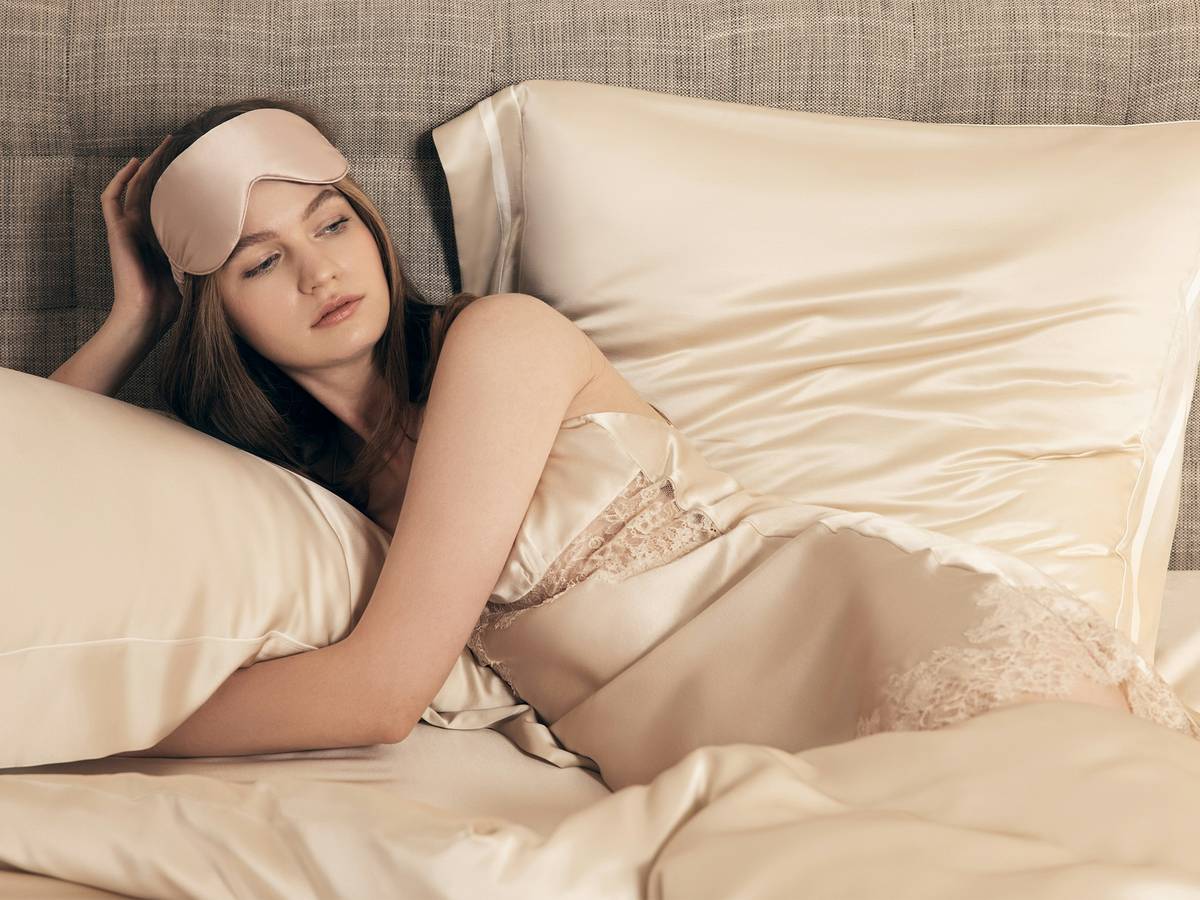
Every night, your hair rubs against bedding—a silent source of micro-tears. Cotton pillowcases absorb natural oils and increase friction, leading to dryness and split ends. According to the American Academy of Dermatology, mechanical stress from improper styling contributes significantly to preventable hair loss (AAD, 2023). That’s where hair wraps shine. Unlike ponytails or tight braids, well-executed wraps shield strands without pulling follicles.
How to Wrap Your Hair the Right Way
Forget those Instagram tutorials that skip the prep. Proper wrapping starts before the scarf touches your hair.
Step 1: Prep with Moisture
Apply a lightweight leave-in conditioner or oil to damp (not wet) hair. Dry hair is brittle; soaking-wet hair stretches and snaps when manipulated.
Step 2: Gather Gently
Use your fingers—not a brush—to gather hair into a loose pineapple at the crown. No elastics! If needed, secure with a silk scrunchie.
Step 3: Wrap Without Tension
Lay your satin or silk scarf flat. Place the center over your hairline, then cross the ends under your nape and tie loosely on top. You should be able to slide two fingers between the knot and your scalp.
Step 4: Sleep Smart
Pair your wrap with a satin pillowcase. Double the defense, zero extra effort.
Best Practices for Long-Term Health
- Rotate your styles: Don’t wear the same wrap nightly. Alternate with loose buns or bonnets to vary pressure points.
- Wash wraps weekly: Buildup from oils and sweat transfers back to your scalp. Hand-wash in cold water with mild detergent.
- Avoid the “terrible tip”: Never sleep with a towel turban. Terry cloth is highly abrasive—this isn’t protection, it’s sabotage.
- Check material quality: Real satin (charmeuse) or mulberry silk outperforms polyester blends labeled “satin.”
- Listen to your scalp: Redness or tenderness = immediate style change. Discomfort negates any supposed benefit of hair protection styles.
Real Results: Case Studies
In a 2022 observational study published in the Journal of Cosmetic Dermatology, participants who used nightly hair wraps made of 100% mulberry silk reported 37% less breakage over 12 weeks compared to those using cotton headwraps or no protection (JCD, 2022). One participant, Maya R., reduced her monthly shed from handfuls to mere strands—and grew 2 inches in six months. “I thought protective meant ‘hidden,’” she shared. “Turns out, it means ‘respected.’” At Lagvina, we live by that truth—learn more about our philosophy on our About Us page.
FAQs
Can hair protection styles cause hair loss?
Yes—if they’re too tight. Traction alopecia from constant tension is reversible early on but permanent if ignored. Always prioritize comfort over aesthetics.
Are silk or satin wraps better for curly hair?
Both work if genuine. Silk has a smoother surface, but high-quality satin (charmeuse) offers similar friction reduction at lower cost. Avoid “satin” made from polyester—it’s just shiny plastic.
How often should I redo my hair wrap?
Nightly for maximum benefit. If you co-wash midweek, re-wrap afterward. Consistency beats occasional perfection.
Do hair protection styles work for short hair?
Absolutely. Use a mini satin cap or wrap just the ends. Even 2-inch strands benefit from reduced friction during sleep.
What’s the biggest mistake people make with hair wraps?
Tying them too tightly to “keep hair in place.” This defeats the purpose. Loose = protective; tight = damaging. Remember my damp-scarf disaster? Yeah—don’t be me.
Where can I get personalized advice?
We’d love to help! Reach out via our Contact Us page. And rest assured—we respect your data, as outlined in our Privacy Policy.
True protection isn’t about hiding your hair—it’s about honoring its needs while you sleep. Wrap with care, not force. Because the best accessory for your strands tonight? Peace of mind.
Sleep soft. Wake strong.