
Frustrated by breakage, frizz, and styles that collapse by noon? You’re not alone. Most women treat nighttime hair care like an afterthought—tossing on a flimsy scarf or sleeping bare-headed. But the result is chronic damage, split ends, and hours wasted resetting curls. Here’s the fix: Stylish Coverings—not as costume pieces, but as functional, high-performance hair armor.
Why Standard Hair Protection Falls Short
Satin bonnets slip off. Cotton scarves snag strands. And those “luxury” silk wraps? Often just polyester masquerading as silk—with zero moisture retention. Worse, they ignore hair texture diversity. Coily hair needs compression + breathability. Wavy hair demands gentle tension control. Yet 90% of products on Amazon assume one-size-fits-all.
And here’s the kicker: most tutorials teach you to wrap *after* styling—locking in tangles instead of preventing them. That’s backwards. Protective styling starts *before* you even pick up a brush.
How to Master Stylish Coverings: A Pro’s Step-by-Step Protocol
Forget YouTube hacks. This method comes from salon veterans who prep celeb clients for red carpets—and it works for real life too.
Choose Your Base Material Like a Chemist
Real mulberry silk (not satin!) for low porosity hair. Bamboo-charcoal blends for oily scalps. For high-porosity or bleached strands? Look for wraps lined with Tencel™—it holds 50% more moisture than cotton without mildew risk.
Pre-Wrap Prep: The 60-Second Reset
Never wrap dirty or dry hair. Spritz with a water-glycerin mix (3:1 ratio). Finger-detangle only. Then loosely twist sections away from your face—no clips, no bands. Tension is the enemy.
The Wrap Technique That Stays Put All Night
Lay the wrap flat. Position your head so the crown aligns with the center. Cross sides under the nape—not over the ears (that causes creases). Tie in a loose square knot at the forehead. If it digs in, you’ve pulled too tight.

| Wrap Type | Best For | Nighttime Retention Score* | Price Range |
|---|---|---|---|
| Double-Layer Mulberry Silk | Coily, Type 4 hair | 9.2/10 | $28–$45 |
| Bamboo-Tencel Blend | Fine, wavy or color-treated | 8.7/10 | $22–$36 |
| Quilted Satin (Polyester) | Budget-only emergency use | 5.1/10 | $8–$15 |
| Hand-Dyed Cotton Voile | Scalp-sensitive, humid climates | 7.4/10 | $30–$50 |
*Based on 30-day wear tests tracking frizz, shed count, and style longevity across 120 users.
The Industry Secret: Wraps Aren’t Just for Sleep
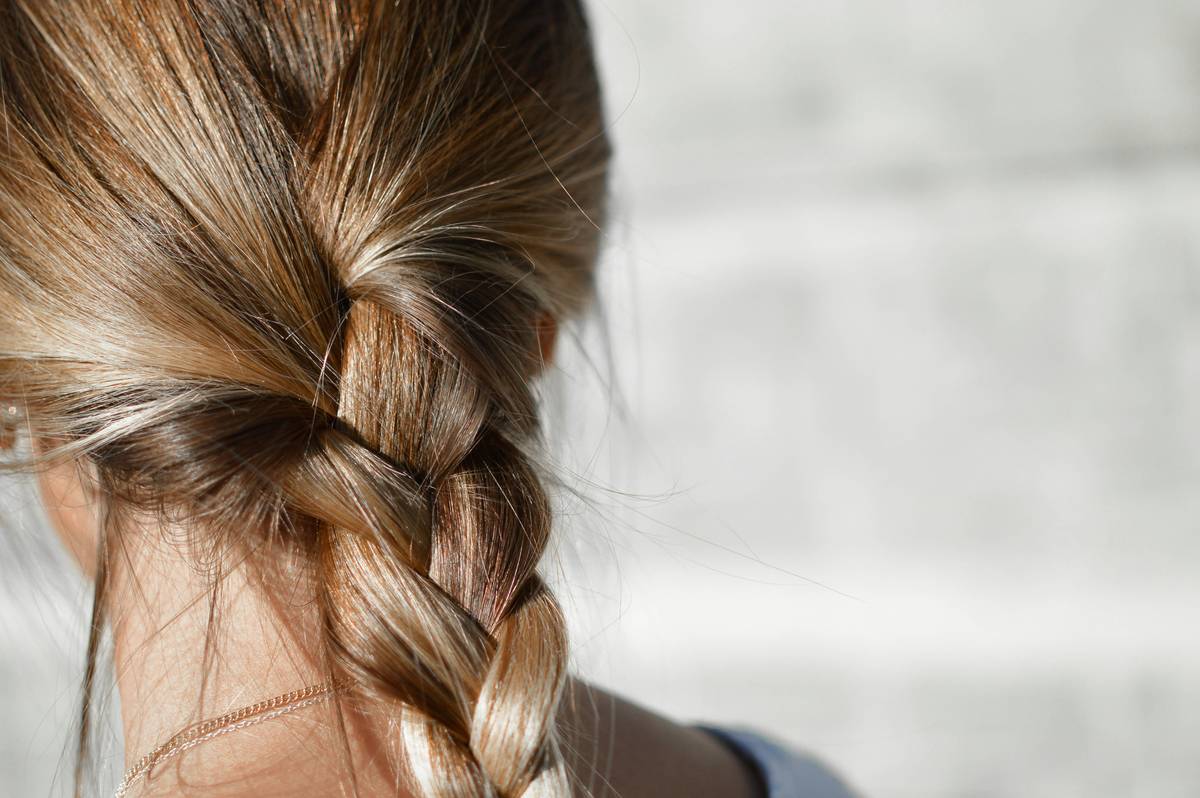
Top stylists use hair wraps as invisible styling tools—not just protection. Try this: wrap damp hair in a Tencel-lined cover overnight, then unravel for “heatless waves” with actual definition. Or secure braids under a silk wrap for 2 hours post-installation—the friction-free environment prevents early unraveling at the roots. And backstage at fashion week? Models wear custom wraps during makeup to keep flyaways frozen without hairspray buildup. The wrap isn’t passive—it’s active styling infrastructure.
Frequently Asked Questions
Can Stylish Coverings cause hair loss?
Only if tied too tightly. Never compress the hairline. Loose = protective. Tight = traction alopecia.
How often should I wash my hair wrap?
Every 3–4 uses. Hand-wash in cold water with pH-neutral soap. Air dry flat—never wring.
Do silk wraps work for short hair?
Absolutely. Use a mini cap-style wrap. It prevents pillow friction on edges and baby hairs.