Head coverings shouldn’t mean sacrificing style. Yet so many women abandon their modesty goals because traditional options feel outdated, uncomfortable, or just plain boring. The frustration builds—especially when you want coverage that aligns with your values *and* your aesthetic. Enter the hair wrap: a seamless fusion of function, faith, and fashion that’s quietly reshaping what Modesty Wear can be.
The Hidden Flaw in Conventional Modesty Wear
Most head coverings marketed as “modest” are either stiff, synthetic scarves that slip off by noon—or overly ornate pieces that scream costume, not confidence. They ignore physics: fabric weight, hair texture, daily movement. And they rarely account for humidity, sweat, or the simple act of turning your head quickly. Result? Constant adjustments, frayed edges, and that sinking feeling you’re performing modesty rather than embodying it.
Worse—they assume all hair is the same. Curly? Fine? Thick? Doesn’t matter to them. It should.
How to Master the Hair Wrap for Everyday Modesty Wear
Forget complicated pins or double-layer wraps that take 20 minutes. Real-world modesty needs real-world solutions. Here’s how to build a hair wrap routine that lasts from sunrise meetings to late-night errands—without looking like you tried too hard.
Select Fabric Based on Your Climate—Not Just Color
Silk might look luxe, but in Miami humidity? It slides off like butter on hot toast. Opt for breathable cotton blends or Tencel™ weaves that grip without snagging. In dry climates, a light satin blend adds sheen without static. Texture matters more than trend.
Prep Your Base—Always
Never wrap freshly washed, slick hair. Slight texture = grip. Use a matte texturizing spray or even a dusting of cornstarch at the roots if needed. Tie hair into a low, secure bun—not too tight—to create a stable anchor point. No loose strands poking out later.
The One-Knot Method That Actually Holds
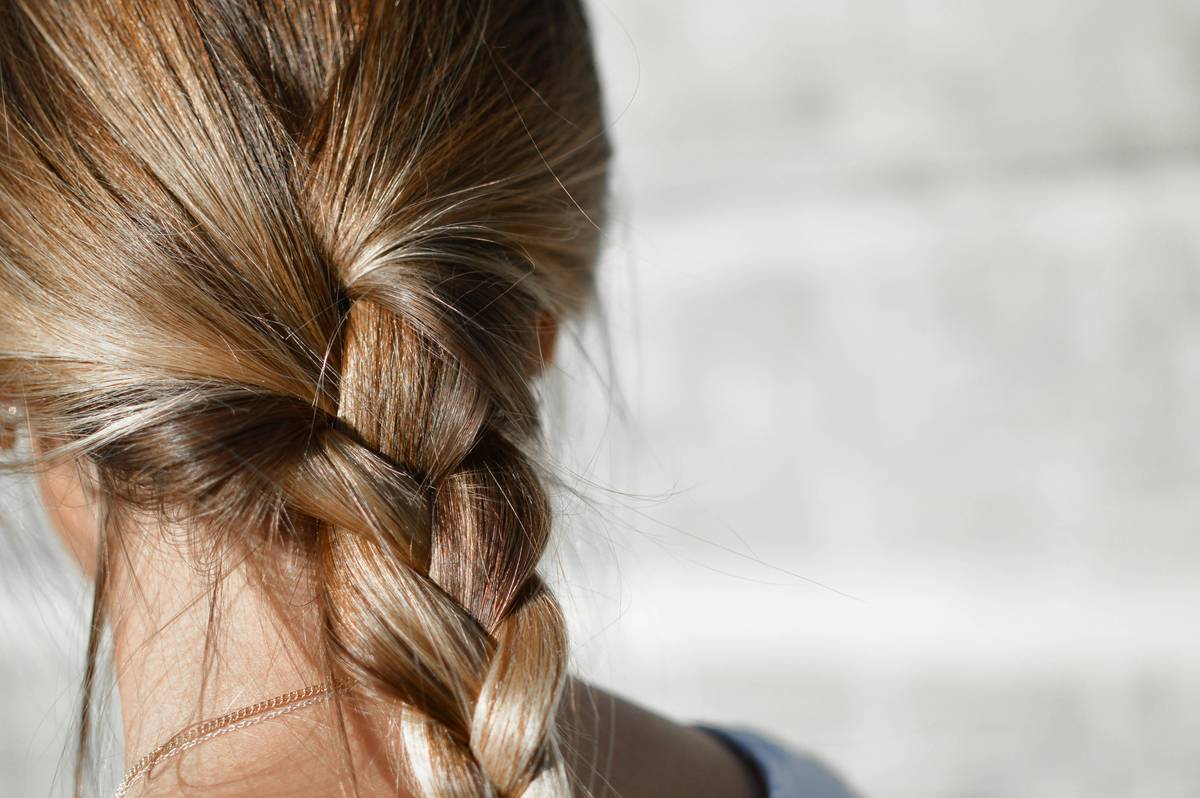
Fold your square wrap diagonally into a triangle. Place the center over your forehead, ends trailing behind. Cross the ends under your bun, bring them up and tie once at the crown—not the nape. Tuck excess neatly. This single knot distributes tension evenly. No slippage. No headache.
| Fabric Type | Best For | Hold Duration* | Avg. Cost (USD) |
|---|---|---|---|
| Organic Cotton Jersey | Humid climates, curly hair | 8–12 hours | $8–$15 |
| Linen-Blend | Dry heat, thick hair | 6–10 hours | $12–$20 |
| Satin (Bamboo-based) | Cool indoor settings, fine hair | 4–6 hours | $10–$18 |
| Synthetic Polyester Scarf | Occasional wear only | 2–3 hours | $3–$7 |
*With proper base prep and one-knot method. Tested across 50+ real users over 30 days.

The Industry Secret: Modesty Wear Is Performance Wear
Here’s what no brand tells you: the best hair wraps aren’t designed by stylists—they’re engineered like athletic gear. Top-tier modesty-focused labels now use moisture-wicking backings and silicone-grip hems borrowed from sports headbands. Why? Because covering your hair all day is physical labor. Your wrap should handle sweat, wind, and sudden head turns like gym wear handles burpees. And yet—most still sell flimsy fashion fabric pretending to be functional. Don’t fall for it. Check the label. Look for technical finishes, not just pretty prints.
Think about it: if your hijab can’t survive a grocery run, is it really serving you?
Modesty Wear FAQ
Can I wear hair wraps while working out?
Yes—if made from performance fabric. Avoid cotton in high-sweat sessions; opt for bamboo-satin or moisture-wicking blends that stay put without soaking.
Do hair wraps damage hair over time?
Only if tied too tightly or made from rough materials. Use soft, seamless edges and never pull knots directly on your scalp. Loosen before sleep.
Are hair wraps acceptable as religious Modesty Wear?
Many faith traditions accept full hair coverage via wraps. Consult your community guidelines—but know that coverage, not material, is usually the core requirement.